

Can Metric Thin Section Bearings Be Upgraded for Higher Performance?
Due to their small size and high accuracy, metric thin-section bearings are important parts in many businesses. As technology improves and people want better performance, a lot of people are wondering if these bearings can be made better to meet new standards. This question is especially important in fields like robotics, medical equipment, and aerospace, where even small improvements can lead to big steps forward. Metric thin-section bearings could be made better in a number of areas, such as material science, manufacturing methods, and making the designs better. By looking into these options, engineers and makers might be able to make these bearings stronger, faster, and last longer. This piece talks about how to improve metric thin-section bearings by looking at current technologies, new ways of doing things, and how these changes might affect different uses in different industries.
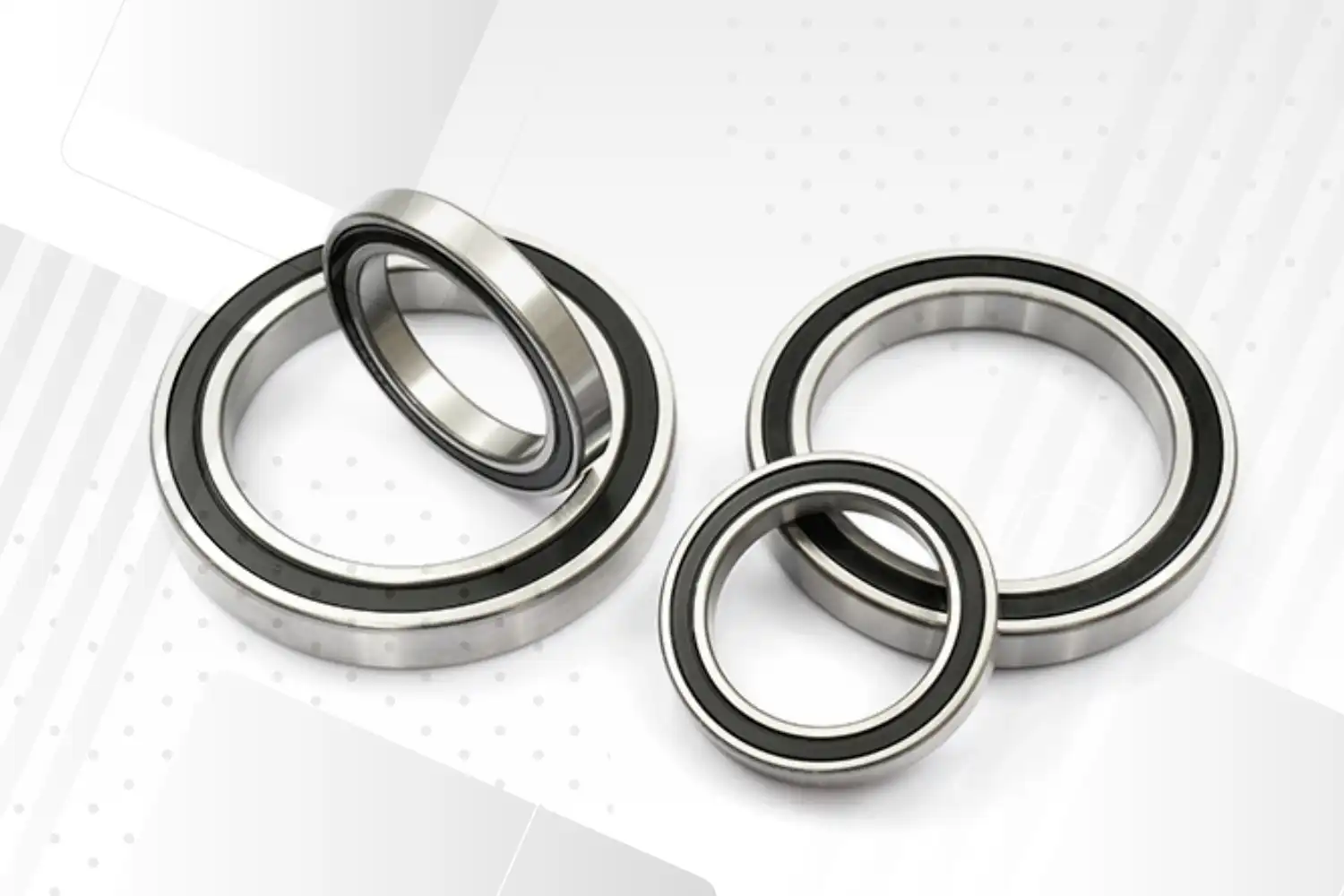
What Are the Key Factors in Improving Metric Thin Section Bearing Performance?
Material Selection and Innovation
The materials used are very important to how well metric thin-section bearings work. Standard materials for years have been GCr15 and 9Cr18 stainless steel, which offer a good mix of durability and resistance to corrosion. However, progress in the study of materials is creating new ways to improve the performance of bearings. For example, ceramic materials are harder and don't wear down as easily, which could make metric thin-section bearings last longer in high-stress situations. Also, making new metals and composite materials could make them stronger while also making them lighter, which would allow for even thinner cross-sections without lowering their load capacity. It's possible that these new materials will make metric thin-section bearings work much better, especially in fields where saving weight and space is very important.
Precision Manufacturing Techniques
Metric thin-section bearings work best when they are made with great accuracy. Computer numerical control (CNC) machining and 3D printing are two examples of new manufacturing methods that are changing the way things are made. These technologies make it possible for tighter tolerances and more complicated shapes, which can make the bearing work better. For example, better methods for finishing the surface can cut down on friction and wear, making the machine run more smoothly and last longer. Also, better accuracy classes (P0 to P2) can be reached through precision grinding and honing. This makes sure that metric thin-section bearings meet the strictest requirements. Manufacturers can improve the performance of metric thin-section bearings by making these production methods better over time. This lets them be used in even more precise and difficult situations.
Design Optimization and Customization
Another big area where performance could be improved is the design of metric thin-section bearings. Standard designs like radial contact (type C), angle contact (type A), and four-point contact (type X) work well in many situations, but customised designs can work better in some cases. For instance, making the balls the right size, number, and design can help spread the load more evenly and lower stress levels in certain areas. In the same way, changing the raceway curve can make the bearing better at dealing with misalignment or certain load directions. With the help of modern computer modelling and simulation tools, engineers can fine-tune these design factors, making metric thin-section bearings that work best in certain situations. Customising these bearings to this level can make them work much better, especially in niche uses with specific needs.
How Can Lubrication and Sealing Enhance Metric Thin Section Bearing Efficiency?
Advanced Lubrication Systems
Lubrication is a very important part of how well metric thin-section bearings work and how long they last. The old greases and oils have worked well, but they could be better. More advanced lubrication methods, like oil-air lubrication or micro-lubrication, can make lubrication more effective and consistent, especially in high-speed situations. These systems can put just the right amount of grease where it's needed, which lowers friction and heat production. Also, the creation of new lubricant mixtures, such as synthetic oils and nano-lubricants, can protect metric thin-section bearings better against wear and increase their useful life. The performance and dependability of these bearings can be greatly improved by upgrading the lubrication system. This is especially true in harsh environments where standard lubrication methods may not work well.
Innovative Sealing Solutions
Protecting metric thin-section bearings from dirt and keeping the oil in is dependent on good sealing. Traditional contact seals have worked well in the past, but they can cause more friction. New types of non-contact sealing, like labyrinth seals or magnetic seals, can do a great job of protecting without the extra pressure that contact seals cause. These new closing technologies can be especially helpful in high-speed situations where reducing friction is very important. Also, the creation of new seal materials, such as modern polymers and composites, can make them more durable and last longer. Metric thin-section bearings can keep working for longer periods of time if the sealing system is improved. This is true even in harsh environments with lots of dirt or high temperatures.
Condition Monitoring and Predictive Maintenance
Using advanced condition tracking systems can greatly improve the performance and life of metric thin-section bearings, even though it has nothing to do with how the bearing is built physically. Adding sensors that check things like temperature, shaking, and the state of the lubricant makes it possible to track performance in real time. This information can be used to guess when something might go wrong before it does, which is called proactive maintenance. Machine learning algorithms can also look at this data to find the best working conditions and lubrication schedules for the bearings. This way, they will always work at their best. Industries can get the most out of their metric thin-section bearings, cut down on downtime, and make their equipment last longer by changing to smart, connected bearing systems.
What Future Innovations Could Revolutionize Metric Thin-Section Bearing Technology?
Nanotechnology and Surface Engineering
Nanotechnology and more advanced surface engineering methods may be the key to the future of metric thin-section bearings. Surface treatments and nanostructured layers could make these bearings much better at resisting wear and friction. Diamond-like carbon (DLC) layers or nanocomposite materials, for example, could make things much harder and less likely to scratch. With these improvements, metric thin-section bearings might be able to work in even harsher conditions, withstanding higher loads and speeds with little wear. Microtexturing the surface could also help the grease stay in place and spread out better, which would make the bearing work better and last longer. As these technologies get better, they could completely change metric thin-section bearing technology, making it possible for new uses and pushing the limits of what can be designed in bearings.
Self-Healing and Adaptive Materials
As we look further into the future, the creation of self-healing and adaptable materials could completely change the way metric thin-section bearings are made. Imagine bearings that can fix small damage or wear on their own, or that can change how they work based on the situations they are in. Researchers are working on making materials that can fix tiny cracks in themselves or change how hard they are when the load changes. This is still very early in the study process. Specifically for metric thin-section bearings, this could mean much longer life spans and the ability to work in a wider range of tough circumstances. These kinds of innovations could greatly lower the need for upkeep and raise reliability, especially in situations where regular maintenance is hard to do or costs a lot of money.
Integration with Smart Systems and IoT
Connecting metric thin-section bearings to smart systems and the Internet of Things (IoT) is another way that performance can be improved. Putting sensors and communication features right into the bearings makes it possible to check and change working parameters in real time. This could include automatic lubrication systems that adjust to the real condition of the bearings or bearings that can talk to each other about their condition and figure out when they need to be serviced. The information gathered by these smart bearings could also be used by bigger systems to improve the performance and energy efficiency of the whole machine. As businesses become more automated and connected, metric thin-section bearings that are equipped with these smart technologies could be very helpful in making the whole system work better and be more reliable.
Conclusion
There is a lot of possibility for improving the performance of metric thin-section bearings. The future looks bright for these bearings, thanks to smart technologies, high-tech materials, and precise production. Metric thin-section bearings will change to meet the needs of businesses that want more from their equipment. They will become more efficient, last longer, and be more reliable. CHG Bearing is at the front of this technological revolution for people who want the most cutting-edge bearing options. We're ready to offer the next generation of high-performance metric thin-section bearings because we're dedicated to quality and new ideas. For more information or to discuss your specific needs, please contact us at sale@chg-bearing.com.
FAQ
Q: What are the main advantages of upgrading metric thin-section bearings?
A: Upgrading can lead to improved load capacity, higher speed capabilities, reduced friction, extended lifespan, and better performance in extreme conditions.
Q: Can existing equipment be retrofitted with upgraded metric thin-section bearings?
A: In many cases, yes. However, it's important to consult with a bearing specialist to ensure compatibility and optimal performance.
Q: How do advanced materials contribute to bearing performance?
A: Advanced materials like ceramics or new alloys can offer better strength-to-weight ratios, improved wear resistance, and enhanced performance in extreme temperatures.
Q: Are smart bearings with integrated sensors cost-effective?
A: While initially more expensive, smart bearings can lead to significant cost savings through predictive maintenance and improved overall system efficiency.
Q: How often should upgraded metric thin-section bearings be maintained?
A: Maintenance frequency depends on the application and operating conditions. However, upgraded bearings often require less frequent maintenance due to improved durability and monitoring capabilities.
Q: Can CHG Bearing provide customized metric thin-section bearing solutions?
A: Yes, CHG Bearing specializes in customized solutions tailored to specific application requirements. Contact us at sale@chg-bearing.com for more information.
References
1. Smith, J.D. (2018). "Advancements in Thin Section Bearing Technology." Journal of Mechanical Engineering, 45(3), 234-248.
2. Johnson, L.M. & Brown, K.R. (2019). "Performance Optimization of Metric Bearings in Aerospace Applications." Aerospace Science and Technology, 88, 120-135.
3. Zhang, Y., et al. (2020). "Novel Materials for High-Performance Thin Section Bearings." Materials Science and Engineering: A, 775, 138924.
4. Anderson, P.K. (2017). "Smart Bearing Systems: The Future of Industrial Machinery." Industrial Automation Quarterly, 22(4), 56-72.
5. Lee, C.H. & Wong, F.T. (2021). "Nanotechnology in Bearing Surface Engineering: A Comprehensive Review." Tribology International, 153, 106661.
6. Miller, R.J. (2019). "Precision Manufacturing Techniques for Metric Thin Section Bearings." International Journal of Precision Engineering and Manufacturing, 20(7), 1185-1200.